Things You Are Allowed and Not Allowed to Throw in a Rental Dumpster
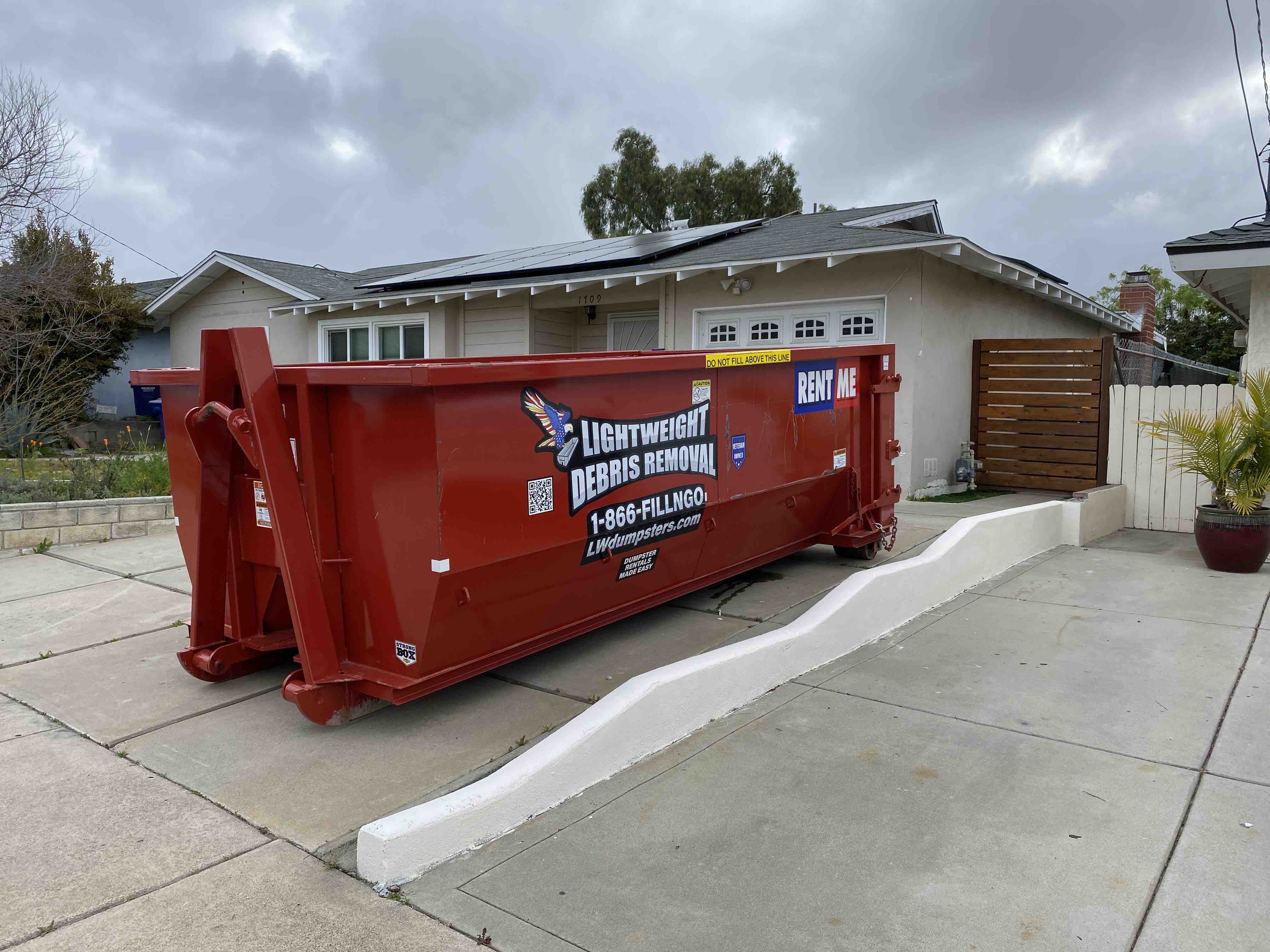
When planning a cleanup or renovation project, renting a dumpster offers a convenient solution for managing waste. But before loading your dumpster, it’s important to know which materials are acceptable and which should be kept out. It’s a common surprise for customers to find out that some materials aren’t allowed, and improper disposal can cause safety or environmental problems. Knowing the regulations in advance helps ensure a responsible and hassle-free waste management process.
At Lightweight Debris Removal, we make it our goal to inform customers about correct waste handling for efficient and compliant disposal. Our dumpster rental service is designed to simplify the process while maintaining compliance with disposal regulations. Understanding what’s allowed saves time, prevents issues, and keeps your cleanup project on track.
Common Household Items You Can Dispose Of
Many everyday home items are acceptable for disposal in rental dumpsters. Furniture, clothing, paper, and other non-hazardous materials from home cleanouts are typically accepted. Old toys, rugs, and boxes that have accumulated over the years are also safe to toss in. Because these items don’t need special treatment, they’re perfect for cleaning or moving projects.
You can also dispose of renovation debris like tiles, drywall, wood, or flooring. If you are completing a small renovation or remodeling a room, these materials are generally safe to discard. Grouping similar items aids in proper disposal or recycling later on. Just make sure none of these materials include harmful or toxic substances.
Yard Waste and Organic Debris
Outdoor maintenance projects typically produce yard waste that needs proper disposal. Items like branches, leaves, grass clippings, and small plants are usually accepted in most dumpsters. A dumpster rental makes it easy to handle yard cleanup after trimming or seasonal maintenance. These organic materials are typically recyclable or compostable, depending on the disposal facility’s guidelines.
Be sure your yard debris doesn’t include soil with chemicals, treated wood, or hazardous substances. Such materials can damage the environment and may need special handling. Keep organic and chemical materials separate for proper disposal. Sorting carefully ensures both a smoother disposal process and eco-friendly practices.
Construction and Demolition Materials
Demolition and renovation jobs typically result in large volumes of disposable materials. You can mini dumpster rental Encinitas CA usually place materials like stone, concrete, and lumber inside. A dumpster provides a convenient collection point for renovation debris. Responsible debris management ensures site safety and regulatory compliance.
Still, not all building materials are suitable for a dumpster. Materials like asbestos, chemically treated wood, or insulation with toxins need specific disposal methods. Proper procedures are required since such materials present serious safety concerns. Always consult your rental company before adding restricted materials. This extra step will help avoid delays and unnecessary complications during your project.
Items That Are Strictly Prohibited
Some materials must not be disposed of in a dumpster because of safety hazards and legal restrictions. Hazardous materials such as paint, solvents, automotive fluids, pesticides, and batteries are strictly prohibited. Such items may release toxins into the environment, contaminating water or soil and endangering wildlife. Violating disposal rules for these items can result in costly penalties and complex cleanup obligations.
In addition to chemical-based materials, other prohibited items include electronics, appliances containing refrigerants, and medical waste. They must be processed through specialized recycling facilities or safe disposal programs. Electronics such as TVs, fridges, and computers have specific recycling requirements. Consult your dumpster company for advice on responsible disposal options to stay compliant with environmental laws.
Handling Large or Dense Waste Safely
You can throw away heavy debris such as concrete, soil, and roofing shingles, but weight restrictions apply. Overloading a dumpster with excessively heavy materials can make it unsafe to haul. Ensure an even distribution of weight by keeping dense and light materials separate. This practice ensures a balanced load and helps prevent damage to property or equipment during transport.
You can also dispose of bulky furniture, large household items, or non-hazardous appliances if they fit within limits. Oversized objects can be dismantled to maximize space. Efficient packing allows you to maximize the space available while maintaining safe loading conditions. Complying with loading rules helps ensure hassle-free removal after your project.
Unsure About Certain Items?
Sometimes it can be unclear whether a specific item can go into a dumpster. Items like mattresses, tires, or electronics may have varying disposal rules depending on local regulations. When in doubt, it’s best to contact your rental company for clarification before throwing them in. They can provide guidance on proper handling or suggest alternative disposal options. This step helps you avoid penalties and ensures all waste is processed appropriately.
At Lightweight Debris Removal, we’re committed to helping customers understand what can and cannot be placed in their dumpsters. We encourage customers to communicate openly about the types of waste they plan to dispose of. That way, we can help you stay compliant and select the best container for your needs. Knowledgeable decisions about waste handling ensure an efficient and responsible project.
Environmental Responsibility and Safe Practices
Managing waste responsibly requires consideration for the environment and disposal processes. It also involves understanding how materials are handled once they leave your site. Sorting recyclables from hazardous materials reduces your project’s ecological footprint. Recycling wood, cardboard, and metal whenever possible supports environmental conservation. Planning ahead before dumping waste greatly benefits the planet.
While dumpsters simplify waste removal, proper handling remains essential. Always follow local waste guidelines and the instructions provided by your rental company. Pre-sorting your materials makes disposal quicker and reduces contamination risk. Choosing a dependable provider guarantees ethical, rule-abiding waste management for your community.
Commitment to Responsible Waste Handling
Awareness of dumpster disposal rules keeps your cleanup safe, legal, and efficient. Sorting waste ahead of time makes cleanup easier and more environmentally friendly. Following proper disposal rules maximizes your dumpster’s use while promoting environmental responsibility.
Lightweight Debris Removal takes pride in helping customers handle waste disposal the right way. We provide dumpster rentals that make waste removal easy while ensuring compliance with eco and safety guidelines. By providing clear instructions, we help ensure that your waste is handled safely from beginning to end.